
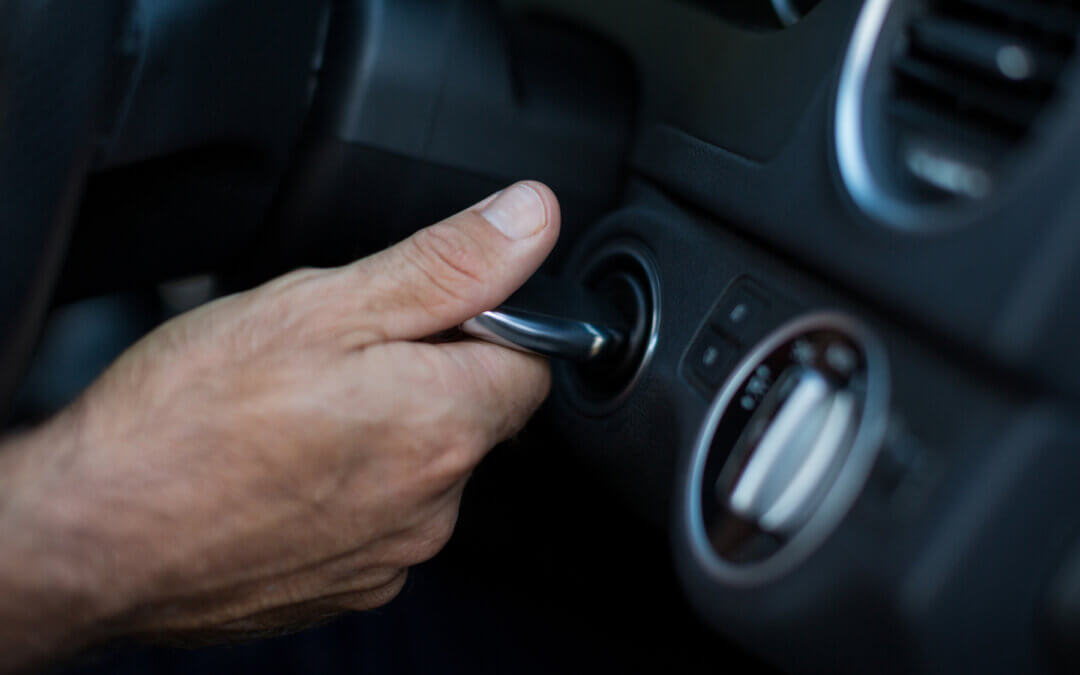
Few things are more frustrating than getting into your vehicle, turning the key or pressing the start button, and discovering that your engine doesn’t want to start. Whether your car cranks slowly, takes several attempts to start, or struggles only on cold mornings, starting problems are often a warning that something isn’t working properly.
If you’ve noticed your car hard to start lately, several components could be responsible. Your battery, starter, alternator, fuel system, ignition components, and engine sensors all play important roles in getting your vehicle running.
While some starting problems develop gradually, others can appear without warning and leave you stranded. Understanding the most common causes can help you recognize trouble early and determine when professional diagnostics are necessary.
How Does Your Car’s Starting System Work?
Before exploring why your car is hard to start, it helps to understand what happens when you turn the ignition key or press the start button.
First, your battery supplies electrical power to the starter motor. The starter turns the engine, allowing the combustion process to begin. Meanwhile, the fuel system delivers fuel, and the ignition system produces sparks at the appropriate time in gasoline engines.
Your vehicle’s computer also relies on information from sensors to control fuel delivery, ignition timing, and other engine functions.
If one of these systems isn’t operating correctly, your vehicle may crank slowly, take longer than normal to start, or fail to start altogether.
The way your vehicle behaves during a starting attempt can provide valuable clues about the underlying problem.
1. A Weak or Failing Battery
One of the most common reasons a car is hard to start is a weak battery.
Your battery must provide enough electrical power to operate the starter motor and other systems during startup. As batteries age, their ability to deliver sufficient power can decline.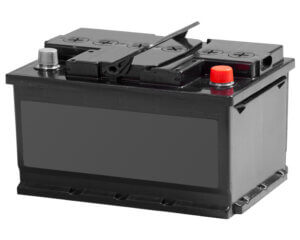
Cold temperatures make this problem especially noticeable because batteries have less available starting power in cold weather, while engines can require more effort to turn over.
Common signs of a weak battery include:
-
Slow engine cranking
-
Clicking sounds when attempting to start
-
Dim headlights before the engine starts
-
Electrical accessories behaving unusually
-
Needing a jump start
-
Starting problems that become worse in cold weather
For Minneapolis drivers, fall is an excellent time to have a battery tested before freezing temperatures arrive.
A professional battery test can help determine whether the battery is weakening or another electrical problem is preventing it from receiving or delivering adequate power.
2. A Failing Starter Motor
If your battery is in good condition but your car is hard to start, the starter motor may be responsible.
The starter motor physically turns the engine during the starting process. Over time, its internal electrical and mechanical components can wear out.
When the starter begins failing, you might hear a clicking sound when attempting to start the vehicle. In some cases, the engine may not crank at all.
Other symptoms include:
-
Intermittent starting problems
-
A single click without engine cranking
-
Grinding noises during startup
-
Starting failures that become more frequent
-
The engine occasionally starting normally after several attempts
Starter problems can sometimes resemble battery problems, making an accurate diagnosis important.
A technician can inspect the starting circuit, battery connections, electrical supply, and starter operation to determine which component is causing the issue.
Replacing the battery won’t solve a problem caused by a failing starter motor.
3. Alternator or Charging System Problems
Your alternator plays an important role in keeping your battery charged while the engine is running.
If the alternator isn’t supplying sufficient electrical power, the battery may gradually lose its charge. Eventually, you may discover your car hard to start even though the battery itself is relatively new.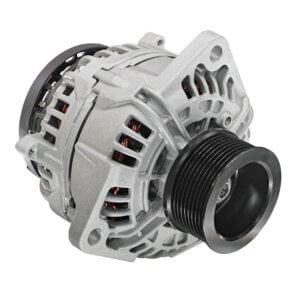
Charging system problems can produce several warning signs, including:
-
Battery warning light appearing on the dashboard
-
Headlights dimming or flickering
-
Electrical accessories operating inconsistently
-
Repeatedly needing a jump start
-
A battery that won’t remain charged
A loose or damaged drive belt, poor electrical connections, or other charging system problems can also prevent the battery from receiving the power it needs.
It’s important to remember that a battery warning light doesn’t necessarily mean the battery needs replacement. It can indicate a problem elsewhere in the charging system.
Testing both the battery and charging system can help identify the actual cause before unnecessary parts are replaced.
4. Fuel System Problems
Your engine needs the correct amount of fuel delivered at the proper pressure to start and operate efficiently.
If the fuel system cannot provide adequate fuel during startup, the engine may crank normally but take several seconds to start.
Potential causes include a weakening fuel pump, restricted fuel delivery, faulty fuel pressure regulation, or malfunctioning fuel injectors.
Fuel related starting problems may also cause:
-
Extended engine cranking
-
Hesitation during acceleration
-
Rough idling
-
Reduced engine performance
-
Stalling
-
Difficulty restarting after the engine has been running
For example, a fuel pump that cannot maintain adequate pressure may make starting difficult, especially after the vehicle has been sitting for several hours.
Modern fuel systems require specialized diagnostic procedures to determine whether fuel pressure, delivery, or electronic controls are responsible.
Because fuel systems operate under pressure and involve flammable materials, these repairs are best handled by qualified technicians.
5. Worn Spark Plugs or Ignition System Problems
Gasoline engines rely on spark plugs to ignite the air and fuel mixture inside the cylinders.
When spark plugs become worn, fouled, or damaged, they may struggle to produce a reliable spark.
This can make your car hard to start, particularly when the engine is cold or other ignition components are beginning to deteriorate.
Ignition coils, electrical connections, and related components can also cause starting difficulties.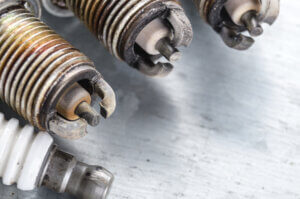
Common warning signs include:
-
Rough engine idle
-
Engine misfires
-
Hesitation during acceleration
-
Reduced fuel efficiency
-
Check engine light illumination
-
Longer than normal starting times
Spark plugs are maintenance items, but their replacement intervals vary significantly depending on the vehicle and plug type.
Following the manufacturer’s recommended maintenance schedule can help reduce the likelihood of ignition related problems.
If the check engine light is flashing while the engine runs, avoid continued driving and have the vehicle evaluated promptly because a severe misfire can damage the catalytic converter.
6. Faulty Engine Sensors
Modern vehicles rely on numerous sensors to monitor engine conditions and help the computer determine how much fuel and ignition timing are needed.
If an important sensor provides incorrect information, the engine may struggle to start even when the battery, starter, and fuel pump are functioning properly.
Two sensors that can contribute to starting problems are the crankshaft position sensor and the engine coolant temperature sensor.
The crankshaft position sensor helps the vehicle’s computer determine engine speed and crankshaft position. If this sensor fails, the computer may be unable to properly control ignition and fuel injection.
The coolant temperature sensor tells the computer how warm or cold the engine is. Incorrect temperature readings can affect fuel delivery during startup, particularly when the engine is cold.
Possible warning signs include:
-
Extended cranking before starting
-
Intermittent starting failures
-
Stalling shortly after startup
-
Rough engine operation
-
Check engine light illumination
Because sensor problems can resemble other mechanical issues, diagnostic testing is essential.
A technician can retrieve diagnostic trouble codes, examine live sensor readings, and perform additional tests to identify the source of the problem.
7. Corroded Battery Terminals or Poor Electrical Connections
Sometimes the reason your car is hard to start isn’t a failed component at all.
Loose, corroded, or damaged electrical connections can prevent sufficient current from reaching the starter motor.
Battery terminal corrosion often appears as a white, blue, or greenish buildup around the connections.
Other electrical connection problems may involve damaged battery cables, loose ground connections, or deteriorating wiring.
Signs of poor electrical connections include:
-
Intermittent starting problems
-
Slow or inconsistent cranking
-
Flickering dashboard lights
-
Electrical accessories losing power
-
Clicking sounds during startup
Even a healthy battery can struggle to start an engine if the electrical connections cannot deliver sufficient power.
A professional inspection can identify corrosion, damaged wiring, excessive electrical resistance, or loose connections that need attention.
Why Is My Car Hard to Start in Cold Weather?
Cold weather can make existing starting problems much more noticeable.
As temperatures drop, a vehicle’s battery has less available power, while the engine may require more effort to turn over. Cold engine oil also creates additional resistance during startup.
A battery that works adequately during warmer months may struggle when temperatures approach freezing.
This is particularly important for Minnesota drivers, where winter temperatures can place significant demands on a vehicle’s electrical and starting systems.
Cold weather can also expose problems involving worn spark plugs, poor electrical connections, weak starters, and fuel delivery.
If your car is hard to start only on cold mornings, don’t automatically assume the temperature is the only cause. A properly maintained vehicle should generally start reliably in cold weather when operated within its manufacturer’s specifications.
Why Does My Car Take Several Tries to Start?
A vehicle that starts successfully after two or three attempts may seem less concerning than one that won’t start at all.
However, repeated starting attempts often indicate a developing problem.
The cause may involve fuel pressure that drops while the vehicle sits, an intermittent electrical connection, a failing starter, or a sensor that occasionally provides incorrect information.
Pay attention to whether the problem happens after the vehicle has been parked overnight, when the engine is warm, or at random times.
These details can help a technician identify patterns and narrow down the possible causes.
What Should You Do When Your Car Is Hard to Start?
If you begin experiencing starting difficulties, there are a few things you can safely check before scheduling service.
First, pay attention to how the engine responds. Does it crank slowly, click without turning over, or crank normally without starting?
Next, look for obvious warning signs such as dim headlights, illuminated dashboard warning lights, or visible battery terminal corrosion.
Also consider whether the problem began after particularly cold weather, recent maintenance, or a period when the vehicle wasn’t driven.
Avoid repeatedly cranking the engine for extended periods. Doing so can overheat the starter and place additional strain on the battery.
If you notice a strong fuel smell, smoke, or other signs of a potentially dangerous mechanical problem, stop attempting to start the vehicle and arrange professional assistance.
Why Professional Diagnostics Matter
A car hard to start can have several possible causes, and many produce nearly identical symptoms.
For example, a weak battery and a failing starter may both cause slow cranking. A fuel delivery problem and a faulty crankshaft position sensor may both cause an engine to crank normally without starting.
Replacing components based on assumptions can become expensive without correcting the underlying issue.
Professional diagnostics may include battery load testing, charging system testing, starter circuit evaluation, fuel pressure measurements, electrical inspections, and computerized engine diagnostics.
Identifying the actual cause helps ensure that the correct repairs are performed.
How to Prevent Future Starting Problems
Not every starting problem can be prevented, but regular maintenance can reduce the likelihood of unexpected failures.
Follow your vehicle manufacturer’s recommended maintenance schedule, including spark plug replacement and other engine services.
Have your battery and charging system inspected periodically, especially before winter. Keep battery connections in good condition and address electrical warning lights promptly.
If your engine begins cranking more slowly than usual, don’t wait until the vehicle refuses to start.
Catching a developing problem early may help you avoid an inconvenient breakdown.
Conclusion
When your car is hard to start, the cause could be something relatively simple, such as a weak battery or corroded connection, or a more complicated issue involving the starter, alternator, fuel system, ignition components, or engine sensors.
Paying attention to how your vehicle behaves during startup can provide valuable clues, but professional testing is often necessary to identify the actual problem.
With colder Minnesota weather approaching, addressing starting difficulties now can help prevent an unexpected breakdown when temperatures drop.
If you’ve noticed your car hard to start in the morning, after sitting for several hours, or at random times throughout the day, Hawkins Automotive can help determine what’s causing the problem. Contact us here to schedule a diagnostic inspection and get your vehicle starting reliably again.