
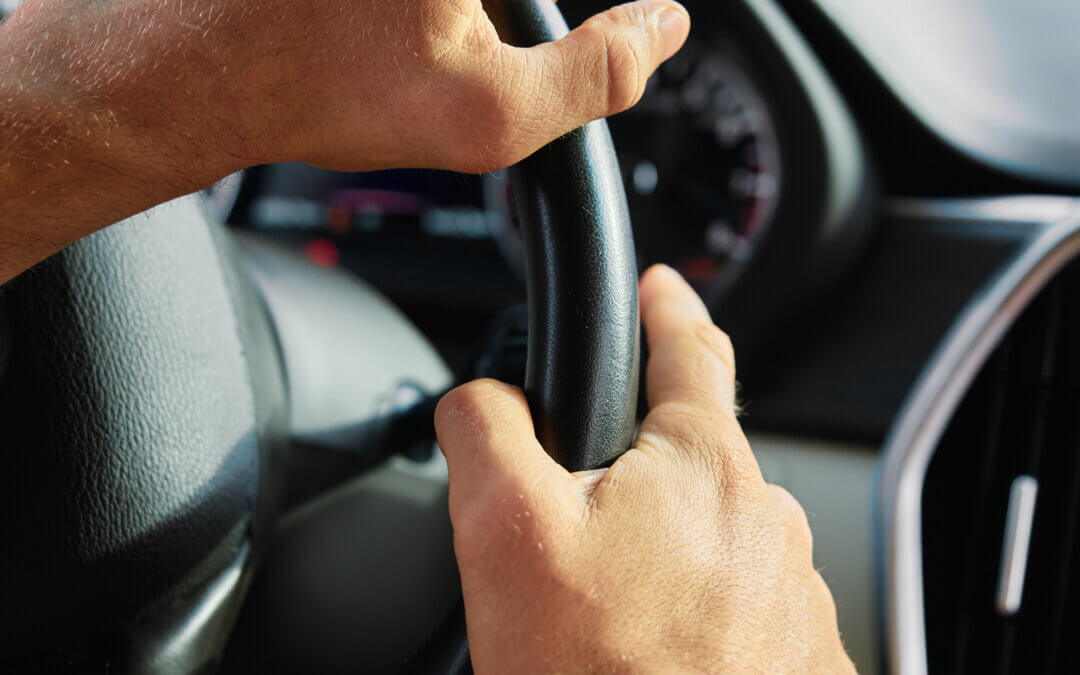
When you’re driving on a straight road, your vehicle should travel in the direction you’re steering without requiring constant correction. If you find yourself fighting the steering wheel or continually correcting the vehicle to keep it centered, something may be wrong.
Several different problems can make your car pull to one side. Wheel alignment is one of the most common possibilities, but it isn’t the only one. Tire pressure, tire damage, brakes, suspension components, and even the road itself can influence how your vehicle tracks.
Because some causes are relatively simple while others can affect your ability to safely control the vehicle, it’s important to pay attention to when and how the pulling occurs.
What Does It Mean When Your Car Pulls to One Side?
A vehicle pull occurs when your car consistently drifts toward the left or right instead of traveling straight ahead.
There is an important difference between a slight tendency to follow the slope of a road and a significant pull that requires steering correction. Roads are often slightly crowned to help water drain toward the sides, which can cause a subtle drift.
However, if your car pull to one side is noticeable on different roads or requires you to continually correct the steering wheel, the vehicle should be inspected.
The conditions under which the pulling occurs can also provide clues. Does it happen all the time? Only when braking? After hitting a pothole? At highway speeds?
Those details can help a technician narrow down the cause.
Wheel Alignment Problems
One of the first things many drivers think about when a car pull to one side develops is wheel alignment, and for good reason.
Wheel alignment refers to the angles at which your wheels and tires sit relative to the vehicle and road. Technicians measure and adjust angles including camber, caster, and toe so the wheels operate within the vehicle manufacturer’s specifications.
When alignment angles are incorrect, the tires may no longer track straight.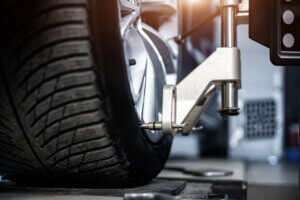
Other symptoms of alignment trouble can include:
- An off center steering wheel
- Uneven tire wear
- Rapid tire wear
- Unusual steering response
- Tires that squeal during turns
AAA identifies pulling to one side, uneven tire wear, and an off center steering wheel as common indications of alignment problems.
What Causes Wheel Alignment to Change?
Alignment doesn’t necessarily stay perfect throughout the life of a vehicle.
Potholes are a common culprit. A hard impact can affect alignment angles or damage steering and suspension components.
Other potential causes include hitting a curb, driving over rough roads, collisions, worn suspension components, and normal wear over time. AAA also notes that potholes, curbs, rough roads, and suspension wear can contribute to alignment changes.
If your vehicle suddenly begins pulling after a hard pothole impact, don’t assume everything is fine simply because the tire still holds air.
Incorrect Tire Pressure
Before assuming you need an alignment, check your tires.
Uneven tire pressure can make a vehicle drift or pull. If one tire is significantly underinflated compared with the tire on the opposite side, it can change how the vehicle travels down the road.
AAA notes that a pull while traveling at a steady speed can indicate an underinflated or damaged tire on the side toward which the vehicle pulls.
Check all four tires when they are cold and compare the readings with the pressure specified by your vehicle manufacturer. That information is generally located on the tire information label inside the driver’s door area.
Do not use the maximum pressure printed on the tire sidewall as your target pressure.
Tire Damage Can Cause Pulling
Proper tire pressure doesn’t necessarily mean the tires themselves are okay.
Internal tire damage, uneven tread wear, differences in tread depth, or other tire problems can affect how your vehicle tracks.
Inspect your tires for: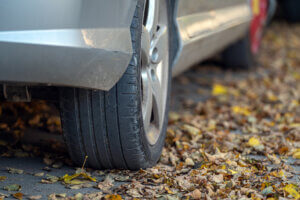
- Uneven tread wear
- Bulges
- Cracks
- Exposed cords
- Unusual flat spots
- Significant differences in tread depth
A damaged tire should be addressed promptly, especially if there is a bulge, exposed internal material, or another sign of structural damage.
If a car pull to one side develops suddenly, inspecting the tires is a good place to start.
Uneven Tire Wear Can Be a Clue
Your tires can also reveal problems elsewhere on the vehicle.
Misalignment can cause one edge of a tire to wear more quickly. Worn suspension components can also contribute to unusual tire wear patterns. AAA notes that wear concentrated on one edge can indicate a suspension or alignment issue.
This can create a cycle in which an underlying alignment or suspension problem damages the tires, and the unevenly worn tires further affect how the vehicle handles.
That’s why simply replacing worn tires without identifying the cause may not solve the problem permanently.
Why Does My Car Pull When I Brake?
If your vehicle travels normally most of the time but suddenly pulls when you press the brake pedal, the braking system deserves particular attention.
Possible causes can include a sticking brake caliper, uneven braking force, worn components, or hydraulic problems.
A sticking caliper can cause one wheel to receive more braking force than another, pulling the vehicle toward one side during braking.
You may also notice other symptoms, including:
- A burning smell
- Excessive brake dust on one wheel
- Unusual brake noises
- A wheel that becomes unusually hot
- Reduced braking performance
Pulling during braking should not be ignored because it may indicate a problem with a system directly responsible for stopping your vehicle.
Suspension Problems Can Cause a Vehicle to Pull
Your suspension does much more than make the ride comfortable.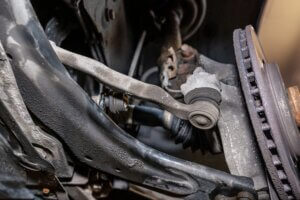
Components throughout the steering and suspension system help maintain wheel position and keep your tires properly connected to the road.
Worn or damaged components can alter suspension geometry and contribute to alignment problems. Tie rods, control arms, ball joints, shocks, struts, bushings, and other components may all need to be evaluated depending on the vehicle and symptoms.
Worn suspension parts can also contribute to uneven tire wear and changes in vehicle stability.
If your car pull to one side is accompanied by clunking noises, excessive bouncing, loose steering, or unusual tire wear, a complete steering and suspension inspection may be appropriate.
Could a Bad Wheel Bearing Cause Pulling?
Wheel bearings allow your wheels to rotate smoothly while supporting the vehicle’s weight.
A worn wheel bearing more commonly produces symptoms such as humming, growling, or grinding noises that change with vehicle speed. In some situations, however, wheel bearing problems can contribute to poor handling or pulling.
Because wheel bearing symptoms can overlap with tire and suspension problems, proper diagnosis is important.
Don’t assume every humming sound and steering pull means you need an alignment.
Why Does My Car Pull After Getting New Tires?
Sometimes a pulling problem appears shortly after tire replacement.
First, verify that all tires are inflated correctly. Differences in tire pressure can affect vehicle tracking even when the tires are brand new.
Differences in tire construction, installation problems, existing alignment issues, or suspension wear may also become more noticeable after new tires are installed.
If the vehicle tracked straight before the tire replacement and immediately began pulling afterward, return for an inspection rather than waiting to see whether the problem disappears.
Why Does My Car Still Pull After an Alignment?
An alignment isn’t a universal solution for every steering pull.
If your vehicle still pulls after an alignment, there may be another underlying problem.
Possible causes include:
- Uneven tire pressure
- Tire damage
- Uneven tire wear
- Brake problems
- Worn suspension components
- Steering problems
An alignment also depends on the steering and suspension components being in suitable condition. If components are loose or badly worn, simply adjusting the alignment may not correct the underlying issue.
A thorough inspection can determine whether something else is contributing to the pull.
Does the Direction of the Pull Tell You What’s Wrong?
Not necessarily.
Drivers sometimes assume that pulling left means one specific component is bad while pulling right means another. Vehicle dynamics are more complicated than that.
The direction can provide useful information to a technician, but it should be considered alongside when the pulling occurs, tire condition, brake behavior, alignment measurements, and the condition of steering and suspension components.
Rather than diagnosing the problem based solely on direction, pay attention to the circumstances surrounding it.
Can Road Conditions Make Your Car Drift?
Yes.
Many roads aren’t perfectly flat. They are designed with a slight crown or slope so rainwater can drain away from traffic lanes.
That can produce a slight tendency for a vehicle to drift toward the edge of the road.
Wind, uneven pavement, deep grooves, and other road conditions can also influence steering.
However, road design shouldn’t cause you to constantly fight the steering wheel. If the car pull to one side occurs consistently on different roads, there’s a better chance the vehicle itself needs attention.
Why Ignoring a Pull Can Cost You Money
Even if the vehicle remains manageable, continuing to drive with an unresolved steering pull may create additional problems.
For example, incorrect alignment can cause tires to wear unevenly and prematurely. Instead of getting the expected service life from your tires, you may find yourself replacing them much sooner.
Alignment and suspension problems can also place additional stress on related components.
Correcting the cause early can help protect your tires and prevent a relatively straightforward problem from contributing to additional repairs.
Pay Attention After Hitting a Pothole
Potholes can be especially hard on tires, wheels, alignment, and suspension.
After a significant impact, watch for changes such as: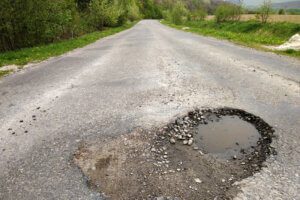
- Vehicle pulling
- Steering wheel vibration
- Crooked steering wheel
- New suspension noises
- Tire pressure loss
- Visible tire or wheel damage
AAA recommends considering an alignment check after hitting a pothole or curb because these impacts can affect alignment.
Even when there is no obvious damage, a noticeable change in how the vehicle handles deserves attention.
When Should You Have Your Vehicle Inspected?
You should consider scheduling an inspection if your car pull to one side is persistent, worsening, or accompanied by other symptoms.
Pay particular attention if the vehicle pulls while braking, the steering suddenly feels different, a tire is losing pressure, you hear new noises, or the vehicle became difficult to control after an impact.
A professional inspection can evaluate tire condition and pressure, alignment, brakes, steering components, and suspension components to determine what is actually causing the problem.
That diagnosis matters because replacing or adjusting the wrong component won’t fix the pull.
Conclusion
If you’re constantly correcting the steering wheel to keep your vehicle traveling straight, don’t assume it’s something you simply have to live with. A car pull to one side can result from incorrect tire pressure, damaged or unevenly worn tires, wheel misalignment, brake problems, worn suspension components, or several other issues.
The way the vehicle pulls can provide important clues. A constant pull may point toward tires or alignment, while pulling primarily during braking may indicate a brake related problem. Changes following a pothole impact can also indicate alignment, tire, wheel, or suspension damage.
Having the vehicle inspected can identify the actual cause before it leads to excessive tire wear or more serious handling problems. If your vehicle has developed a persistent pull or doesn’t feel as stable as it once did, contact us here to schedule an inspection with Hawkins Automotive and get to the bottom of the problem.
Further Reading
AAA: Guide to Vehicle Wheel Alignment and Suspension
AAA: Tire Safety and Maintenance