
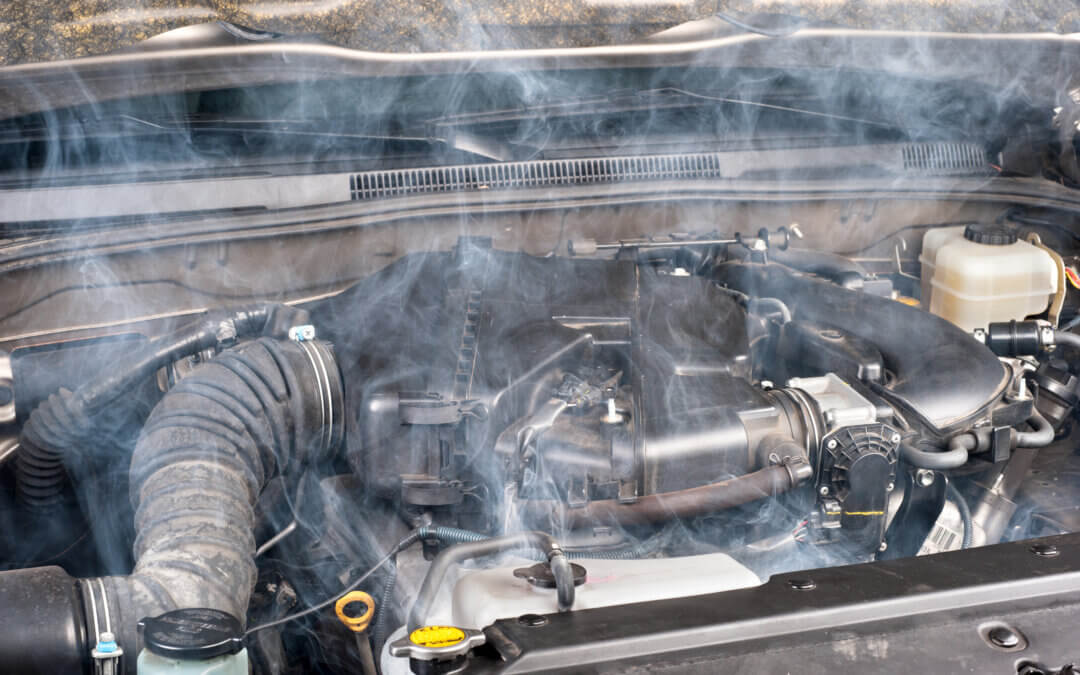
When most drivers think about cooling systems, they typically associate them with summer heat. However, cooling system maintenance is just as important during the colder months. Overheating, poor circulation, or coolant-related failures can occur year-round and, if left unaddressed, can lead to costly engine damage. Understanding cooling system maintenance & overheating causes, even in winter, ensures your vehicle stays reliable, efficient, and safe no matter the season.
This comprehensive guide will explain how your cooling system works, common problems that cause overheating, preventive maintenance tips, and when it’s time to seek professional service.
How Your Vehicle’s Cooling System Works
The cooling system is responsible for regulating engine temperature and preventing overheating. Key components include:
-
Radiator: Dissipates heat from coolant into the air
-
Water pump: Circulates coolant through the engine
-
Thermostat: Regulates coolant flow based on engine temperature
-
Hoses and clamps: Connect the system and allow proper flow
-
Coolant/antifreeze: Transfers heat and prevents freezing
Even in winter, your engine generates heat, and a malfunctioning cooling system can lead to severe issues. Vehicles may overheat on cold days if circulation is blocked, coolant is low, or components are failing.
Why Cooling System Maintenance & Overheating Causes Are Important in Winter
Many drivers assume cold weather prevents overheating, but this is a misconception. Winter conditions introduce their own set of challenges:
-
Thicker Coolant: Cold temperatures can thicken old or contaminated coolant, reducing circulation.
-
Frozen or Cracked Hoses: Hoses become brittle and can leak when temperatures drop.
-
Increased Engine Load: Winter driving often involves idling, stop-and-go traffic, or heater use, increasing thermal stress.
-
Hidden Leaks: Small leaks that might go unnoticed in summer can freeze in winter, causing sudden coolant loss.
Recognizing the importance of cooling system maintenance & overheating causes during colder months can prevent engine damage, improve heater performance, and avoid roadside breakdowns.
Common Causes of Engine Overheating
Understanding why engines overheat helps you catch problems early. Here are some common issues:
1. Low Coolant Levels
Coolant loss can happen gradually due to leaks or evaporation. Low coolant reduces the system’s ability to transfer heat away from the engine, causing overheating.
2. Faulty Thermostat
The thermostat regulates when coolant flows. A stuck thermostat prevents proper circulation, which can cause localized overheating or inconsistent engine temperatures.
3. Radiator Problems
Clogged or damaged radiators reduce heat dissipation. Corrosion, debris, or internal blockages can prevent proper coolant flow and cooling system efficiency.
4. Water Pump Failure
 A water pump that isn’t circulating coolant properly can quickly lead to overheating. Symptoms may include coolant leaks, whining noises, or engine temperature fluctuations.
5. Leaks in Hoses or Clamps
Old or brittle hoses can crack and leak coolant. Even minor leaks reduce the system’s efficiency and increase the risk of engine damage.
6. Air Trapped in the System
Air pockets reduce coolant flow and create hot spots. Bleeding the system is a key part of cooling system maintenance & overheating causes management.
7. External Factors
Heavy traffic, towing, or driving uphill in cold weather can still push your engine beyond its thermal limits, particularly if the cooling system is not well-maintained.
Signs Your Cooling System Needs Attention
Knowing what to look for is critical in diagnosing problems early. Common warning signs include:
-
Rising or fluctuating engine temperature gauge
-
Steam or smoke coming from the engine compartment
-
Coolant puddles under the vehicle
-
Strange odors from coolant leaks
-
Heater not producing warm air in winter
-
Engine warning light illuminated
If you notice any of these signs, it is important to act quickly to avoid severe engine damage.
Cooling System Maintenance Tips
Regular maintenance ensures your cooling system works efficiently year-round. Key steps include:
1. Check Coolant Levels and Condition
Check the coolant reservoir and radiator periodically. Look for discolored or contaminated coolant, which can indicate corrosion or breakdown of additives.
2. Inspect Hoses and Clamps
Examine hoses for cracks, stiffness, or bulges. Ensure clamps are tight to prevent leaks.
3. Flush and Replace Coolant
Most manufacturers recommend flushing the cooling system every 2–5 years. Fresh coolant helps prevent corrosion, freezing, and overheating.
4. Test the Thermostat
A professional can test thermostat functionality to ensure proper temperature regulation. Replacing a faulty thermostat is inexpensive compared to repairing an overheated engine.
5. Inspect the Radiator
Ensure the radiator is clean, free of debris, and functioning correctly. Check for leaks, corrosion, or damaged fins that affect heat transfer.
6. Check the Water Pump
Listen for unusual noises and inspect for leaks. A failing water pump should be replaced promptly to prevent overheating.
7. Use the Correct Coolant
Always use the type of coolant recommended in your vehicle owner’s manual. Mixing incompatible coolants can cause chemical reactions that damage the system.
Winter-Specific Cooling System Tips
Even in cold weather, following these precautions improves vehicle performance and prevents issues: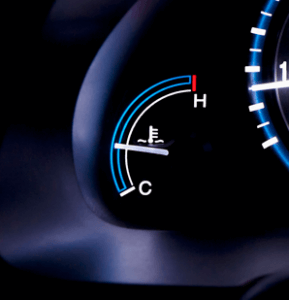
-
Avoid extended idling, which can stress the engine and reduce coolant circulation
-
Preheat your vehicle gently instead of revving the engine immediately
-
Inspect your heater core to ensure the cabin heater works effectively
-
Keep an eye on the temperature gauge, even in sub-zero conditions
-
Watch for ice-related damage to hoses, belts, and radiator components
When to Seek Professional Service
Some cooling system problems require specialized tools and expertise. If you notice persistent overheating, leaks, or unusual engine noises, schedule a professional inspection. Technicians can:
-
Perform a system flush and coolant replacement
-
Test thermostat and water pump performance
-
Inspect and repair leaks or damaged components
-
Conduct pressure testing to identify hidden issues
Taking early action prevents minor problems from escalating into costly engine repairs.
Conclusion & Scheduling Service
Proper cooling system maintenance & understanding overheating causes is essential for safe driving in any season. While many drivers focus on summer heat, winter conditions can stress the engine in unexpected ways. Maintaining coolant levels, inspecting hoses, and keeping the radiator and water pump in good condition are crucial steps in preventing engine damage.
If you want to ensure your vehicle’s cooling system is functioning optimally, the experts at Hawkins Automotive are ready to help. Schedule your service here today to keep your car safe, reliable, and ready for winter or any season.