
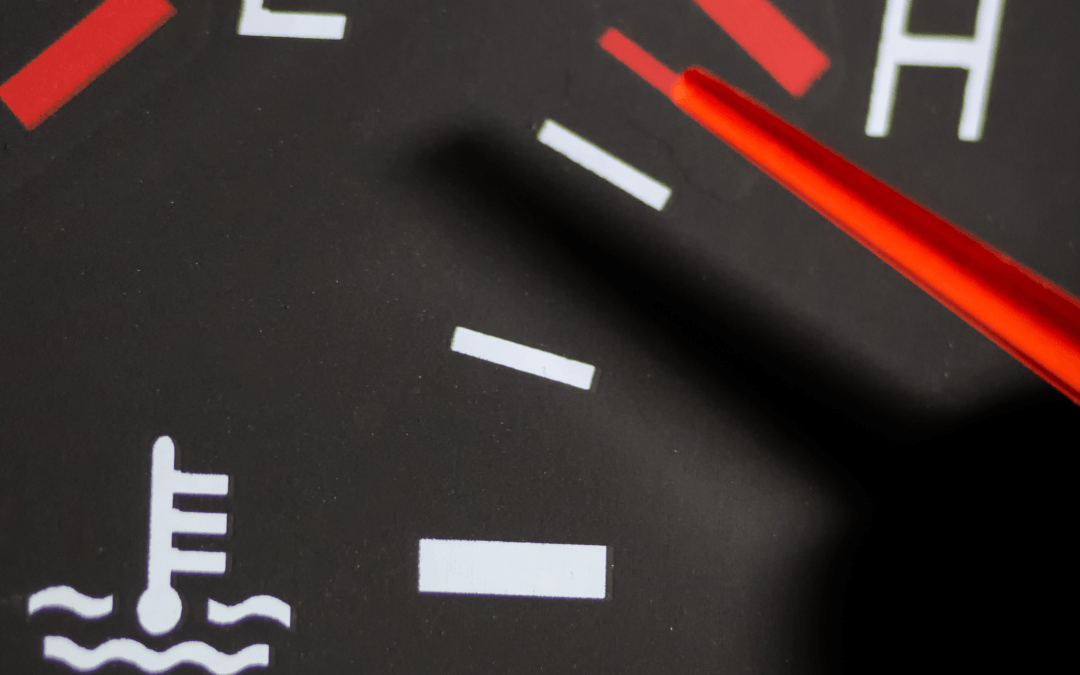
As temperatures begin to rise, many drivers suddenly start noticing problems they did not experience during the colder months. One of the most common seasonal issues is car overheating. A vehicle that ran fine all winter may suddenly struggle once spring and summer temperatures arrive.
If your temperature gauge is climbing higher than normal, steam is coming from under the hood, or your warning light appears during warmer weather, it is important not to ignore it. Car overheating can quickly lead to severe engine damage and expensive repairs if left unresolved.
Understanding why car overheating becomes more common in warm weather can help you identify issues early and prevent breakdowns during the hottest months of the year.
Why Car Overheating Happens More Often in Warm Weather
Your engine naturally produces a tremendous amount of heat every time you drive. The cooling system is designed to regulate that heat and keep engine temperatures within a safe operating range.
During winter, outside air helps cool the engine more efficiently. Once temperatures rise, your cooling system must work significantly harder to maintain proper engine temperature. Any weakness in the system that went unnoticed during colder weather may suddenly become obvious.
Warm weather also creates additional strain through:
- Increased use of air conditioning
- Stop-and-go traffic
- Long road trips
- Heavy towing or hauling
- Hot pavement and underhood temperatures
When these conditions combine with worn cooling system components, car overheating becomes much more likely.
Low Coolant Levels
One of the most common causes of car overheating is low coolant.
Coolant, sometimes called antifreeze, absorbs heat from the engine and transfers it away through the radiator. If coolant levels drop too low, the system cannot properly regulate temperature.
Coolant loss may happen because of: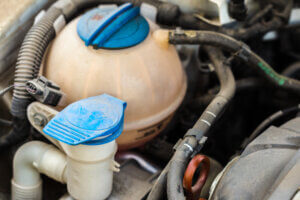
- Small leaks
- Evaporation over time
- Cracked hoses
- Loose clamps
- Radiator issues
In some cases, drivers may not even realize coolant is low until the vehicle starts overheating during warmer weather.
Checking coolant levels regularly becomes especially important as temperatures rise.
Radiator Problems
The radiator plays a major role in preventing car overheating. It dissipates heat from the coolant before it cycles back through the engine.
Over time, radiators can develop problems such as:
- Internal clogs
- Corrosion
- Leaks
- Damaged fins
- Restricted airflow
Even partial blockage can reduce cooling efficiency enough to cause car overheating during hot weather or heavy traffic.
If your vehicle overheats more often while idling than while driving at highway speeds, radiator airflow problems may be involved.
Cooling Fan Failure
Many modern vehicles rely on electric cooling fans to pull air through the radiator, especially at lower speeds.
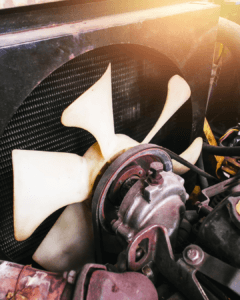 If the cooling fan stops working properly:
- Airflow decreases
- Heat builds rapidly
- Temperatures rise quickly in traffic
This is a very common reason for car overheating during spring and summer months.
A failing fan motor, relay, temperature sensor, or fuse can all prevent the fan from operating correctly.
One major clue is if the vehicle overheats while sitting still but cools down once driving faster.
Thermostat Problems
The thermostat controls coolant flow through the engine. When functioning properly, it opens and closes based on engine temperature.
If the thermostat sticks closed:
- Coolant cannot circulate correctly
- Heat becomes trapped
- Car overheating occurs quickly
Thermostat failure often appears suddenly. A vehicle may seem completely normal one day and begin overheating the next.
Warm weather tends to expose thermostat issues faster because the cooling system is already under greater stress.
Water Pump Failure
The water pump circulates coolant throughout the engine and radiator.
If the pump fails:
- Coolant flow slows or stops
- Heat builds rapidly
- Engine temperature rises dangerously high
Signs of water pump issues may include:
- Coolant leaks near the front of the engine
- Grinding noises
- Steam from under the hood
- Sudden car overheating
Because the water pump is essential to coolant circulation, failure can lead to severe overheating very quickly.
Worn or Collapsing Hoses
Cooling system hoses carry coolant between engine components, the radiator, and the heater core.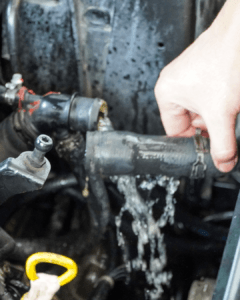
Over time, hoses can:
- Crack
- Leak
- Soften
- Collapse internally
Warm weather increases cooling system pressure, which can worsen weak hose problems and contribute to car overheating.
A hose may appear fine externally while restricting coolant flow internally.
Air Conditioning Adds Extra Heat
Many drivers first notice car overheating once they begin using air conditioning regularly.
The AC system adds additional workload to the engine and creates more heat under the hood. If the cooling system is already weak, running the AC can push temperatures beyond safe limits.
You may notice:
- Temperature rising while AC is on
- Overheating in traffic
- AC performance decreasing as temperatures climb
This often points to an underlying cooling system issue rather than the air conditioner itself.
Dirty or Contaminated Coolant
Coolant does not last forever. Over time it breaks down and loses its ability to regulate temperature properly.
Old coolant can also:
- Become acidic
- Create corrosion
- Form sludge deposits
- Restrict cooling passages
Dirty coolant reduces overall cooling system efficiency and increases the risk of car overheating during warmer weather.
Regular coolant flushes help maintain proper cooling performance.
Head Gasket Problems
In more serious cases, car overheating may indicate a failing head gasket.
The head gasket seals combustion pressure and coolant passages within the engine. If it fails, coolant may leak internally and cause overheating.
Possible symptoms include:
- White exhaust smoke
- Bubbling coolant
- Milky oil appearance
- Coolant disappearing without visible leaks
- Repeated overheating
Because head gasket failure can lead to catastrophic engine damage, persistent overheating should never be ignored.
Why Traffic Makes Car Overheating Worse
Many vehicles experience car overheating most noticeably during traffic jams or stop-and-go driving.
At low speeds:
- Less air moves through the radiator
- Engine heat builds faster
- Cooling fans work harder
This creates ideal conditions for hidden cooling system problems to appear.
If overheating mainly occurs during idle or traffic conditions, fan or airflow issues are especially likely.
Warning Signs You Should Never Ignore
Drivers often receive early warning signs before severe car overheating occurs.
Watch for:
- Temperature gauge climbing above normal
- Steam from under the hood
- Sweet smell from coolant leaks
- Coolant puddles under the vehicle
- Warning lights on the dashboard
- Reduced AC performance
- Knocking or ticking engine noises
Catching these symptoms early can prevent major repairs.
What To Do If Your Car Starts Overheating
If you notice signs of car overheating while driving:
1. Turn Off the Air Conditioning
This reduces engine workload immediately.
2. Turn On the Heater
It sounds strange, but the heater pulls heat away from the engine.
3. Pull Over Safely
Continuing to drive an overheating vehicle can cause severe engine damage.
4. Do Not Open the Radiator Cap Immediately
Cooling systems remain pressurized and extremely hot.
5. Allow the Engine To Cool
Wait before inspecting coolant levels or leaks.
If overheating happens repeatedly, professional diagnosis is important.
Preventing Car Overheating During Summer
Routine maintenance is the best defense against car overheating.
Helpful preventative steps include:
- Checking coolant levels regularly
- Flushing coolant at recommended intervals
- Inspecting hoses and belts
- Testing cooling fans
- Watching for leaks
- Monitoring temperature gauge behavior
Seasonal inspections become especially valuable before summer road trips or extreme heat arrives.
Why Prompt Repairs Matter
Many drivers continue driving despite mild overheating symptoms, hoping the issue will resolve itself. Unfortunately, even occasional overheating can damage:
- Head gaskets
- Cylinder heads
- Pistons
- Engine bearings
A relatively minor cooling system repair can quickly become a full engine replacement if overheating is ignored.
Addressing cooling system problems early is almost always far less expensive than waiting for major engine damage to occur.
Conclusion
Car overheating becomes far more common once temperatures begin rising because the cooling system must work significantly harder to regulate engine heat. Issues that remained hidden during winter often appear quickly in warmer weather, especially when combined with traffic, air conditioning use, and longer drives.
Problems such as low coolant, failing fans, radiator restrictions, thermostat failure, or worn hoses can all contribute to car overheating and should be inspected before serious engine damage occurs.
If your vehicle has started overheating now that temperatures are climbing, it is important to have the cooling system inspected before the problem worsens. For help diagnosing overheating issues and keeping your vehicle reliable through the warmer months, contact us here to schedule an inspection.
Further Reading
- https://www.aaa.com/autorepair/articles/what-causes-a-car-to-overheat
- https://www.firestonecompleteautocare.com/blog/maintenance/why-is-my-car-overheating/
- https://www.jdpower.com/cars/shopping-guides/what-causes-a-car-to-overheat
- https://www.consumerreports.org/cars/car-maintenance/how-to-prevent-your-car-from-overheating-a2956265142/