
Few things are more frustrating than getting into your vehicle, turning the key or pushing the start button, and realizing your car won’t start. Everything might seem normal—lights work, radio turns on, dashboard looks fine—but the engine refuses to crank or fire.
When this happens, it’s easy to assume the battery is the issue. However, many drivers discover that even when the battery is good, their car won’t start due to problems in the starter system, fuel delivery, ignition components, or electrical connections.
This guide breaks down the most common reasons a car won’t start, how to narrow down the cause, and what steps you can take before heading to a repair shop.
Understanding What Happens When a Car Won’t Start
When your car won’t start, there are actually two main scenarios:
- The engine does not crank at all
- The engine cranks but does not start
Both point to different systems inside your vehicle, and identifying which one you’re dealing with is the first step in diagnosis.
Even when a battery is functioning properly, a car won’t start if another critical system fails to do its job.
1. Starter Motor Failure
One of the most common reasons a car won’t start is a failing starter motor. The starter is responsible for turning the engine over so combustion can begin.
Signs of starter problems include: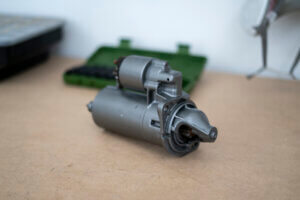
- A single click when turning the key
- No sound at all when attempting to start
- Intermittent starting issues that come and go
If the battery is good but the car won’t start, the starter motor is often one of the first components to inspect.
2. Faulty Starter Relay or Solenoid
Even if the starter motor is fine, the relay or solenoid that powers it can fail. These components act as the bridge between the ignition system and the starter.
When they fail:
- The car won’t start even though electrical power is present
- You may hear repeated clicking sounds
- The issue may be intermittent at first
This is a very common reason a car won’t start, especially in older vehicles or those exposed to extreme temperature changes.
3. Ignition Switch Problems
The ignition switch sends the signal that tells your vehicle to start. If it fails internally, the signal never reaches the starter system.
Symptoms include:
- No response when turning the key or pressing start
- Dashboard lights may flicker or behave unpredictably
- Intermittent starting issues over time
If your car won’t start and there is no clicking or crank at all, the ignition switch may be the cause.
4. Fuel System Issues
Even if the engine cranks normally, it still needs fuel to run. A failure in the fuel system can prevent the engine from starting altogether.
Common fuel-related problems include: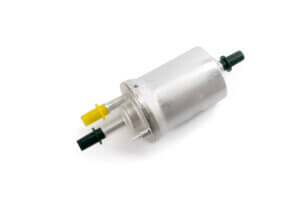
- Faulty fuel pump
- Clogged fuel filter
- Weak or inconsistent fuel pressure
- Failed fuel injectors
A strong sign of fuel issues is when the car won’t start but the engine turns over normally without actually firing.
5. Ignition System and Spark Problems
Your engine also needs spark to ignite the fuel-air mixture. If spark is missing, the car won’t start even if everything else is functioning.
Possible causes include:
- Worn spark plugs
- Failing ignition coils
- Crankshaft position sensor failure
When these components fail, you may notice the engine cranking but never fully starting.
6. Security System or Immobilizer Lockout
Modern vehicles are equipped with anti-theft systems that can prevent the engine from starting if something is detected as abnormal.
You may notice:
- Security light flashing on the dashboard
- Engine cranks but will not start
- Vehicle does not recognize the key or fob
In these cases, the car won’t start because the system is actively preventing ignition.
7. Bad Sensors (Crankshaft or Camshaft)
Your engine relies on sensors to determine timing for fuel injection and spark. If they fail, the engine may not start at all.
Symptoms include:
- No-start or intermittent start condition
- Cranking without ignition
- Possible check engine light
Sensor failures are a common hidden reason a car won’t start even when everything else appears normal.
8. Electrical Issues or Blown Fuses
A simple electrical issue can stop the entire starting process.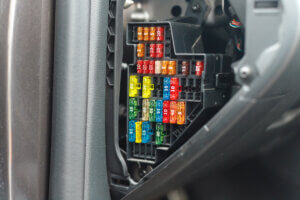
Possible causes:
- Blown starter or ignition fuse
- Corroded battery terminals
- Loose or damaged wiring connections
Even when the battery is good, poor electrical flow can prevent the car from starting.
9. Transmission Safety Switch Issues
Automatic vehicles include a neutral safety switch that prevents the car from starting unless it is in Park or Neutral.
If this switch fails:
- The car won’t start in Park
- It may start in Neutral
- Starting becomes inconsistent
This is a quick but often overlooked cause when a car won’t start.
10. Simple Battery Connection Problems
Even a good battery can appear faulty if the connections are not secure.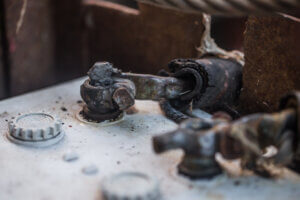
Look for:
- Corroded terminals
- Loose clamps
- Frayed or damaged cables
Poor connections can prevent enough power from reaching the starter system, resulting in a no-start condition.
How to Diagnose a Car Won’t Start Issue
If your car won’t start, follow these basic steps to narrow down the issue:
Step 1: Listen carefully
- Clicking sound: likely starter or relay
- No sound: ignition or electrical issue
Step 2: Check dashboard behavior
- Normal lights: likely starter or fuel issue
- Dim or flickering lights: electrical connection issue
Step 3: Try starting in Neutral
If it starts in Neutral, the safety switch may be failing.
Step 4: Listen for fuel pump
A brief humming sound usually means fuel delivery is working.
Step 5: Check for warning lights or scan codes
These can point directly to sensor or ignition system issues.
When to Get Professional Help
While some causes of a car won’t start can be simple, many require proper diagnostic tools to identify accurately.
You should seek professional inspection if:
- The battery is confirmed good but the car won’t start repeatedly
- You hear clicking but no crank
- The engine cranks but never starts
- The issue is inconsistent or intermittent
Modern vehicles rely heavily on electronic systems, making professional diagnosis the fastest way to avoid unnecessary part replacement.
Conclusion
When your car won’t start, the cause is rarely just the battery. In many cases, the issue lies in the starter system, ignition components, fuel delivery system, or vehicle sensors. Understanding the symptoms can help narrow down the problem, but accurate diagnosis is key to avoiding wasted time and money.
If your car won’t start and you’re not sure what’s causing it, the best next step is to have a professional inspection done so the exact issue can be identified and repaired correctly. For help diagnosing the problem and getting back on the road quickly, contact us here to schedule a service appointment.
Further Reading
- https://www.consumerreports.org/cars/car-maintenance/car-wont-start-what-to-do-a6807705267/
- https://www.jdpower.com/cars/shopping-guides/why-wont-my-car-start
- https://www.firestonecompleteautocare.com/blog/maintenance/car-wont-start-but-battery-is-good/
- https://www.aaa.com/autorepair/articles/car-wont-start-common-causes