
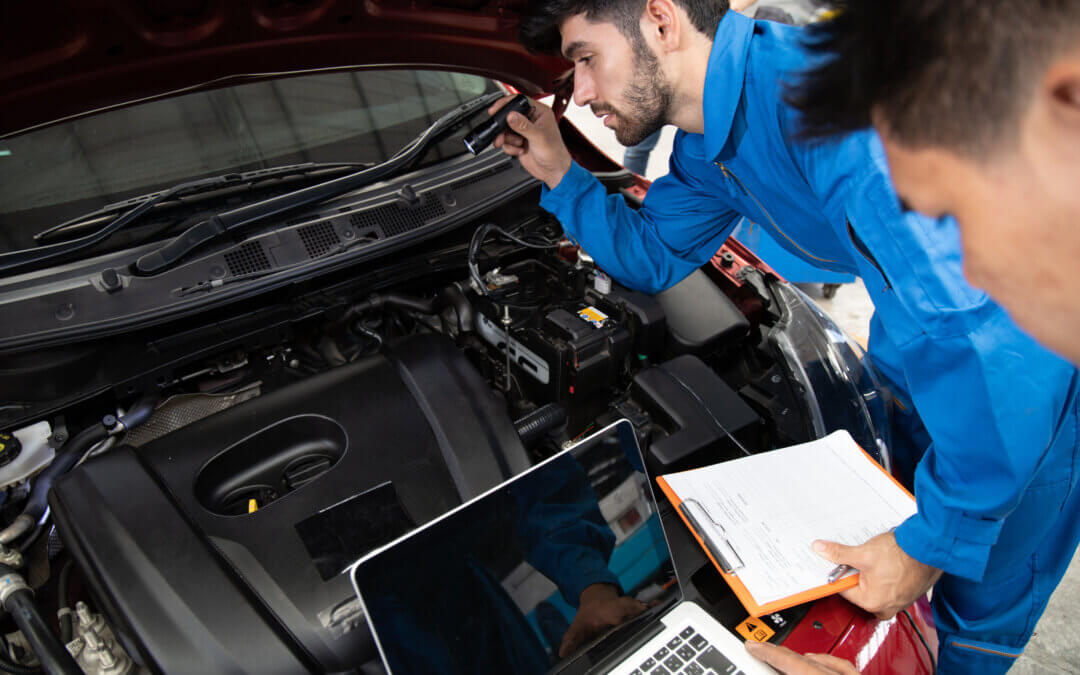
Few things make drivers more anxious than hearing an unfamiliar sound coming from their vehicle. Whether it’s a squeal, clunk, grind, or rattle, unusual noises are often your car’s first way of telling you something is wrong. Diagnosing strange noises while driving early can mean the difference between a simple repair and a costly breakdown.
This guide will help you understand what different sounds may indicate, when they occur, and why addressing them promptly is essential for your safety and your vehicle’s longevity.
Why Diagnosing Strange Noises While Driving Matters
Vehicles are engineered to operate relatively quietly. When something starts making noise, it’s usually because a part is worn, loose, damaged, or failing. Diagnosing strange noises while driving allows you to:
-
Prevent further damage to surrounding components
-
Avoid unexpected breakdowns
-
Improve safety for you and other drivers
-
Reduce long-term repair costs
-
Maintain vehicle performance and reliability
Ignoring noises rarely makes them go away. In most cases, they grow louder and more expensive over time.
How to Identify the Source of a Noise
Before visiting a professional, pay attention to a few key details. These clues help narrow down the cause when diagnosing strange noises while driving.
Ask yourself:
-
Does the noise happen when accelerating, braking, or turning?
-
Is it constant or intermittent?
-
Does it change with speed?
-
Does it occur over bumps or rough roads?
-
Does it come from the front, rear, or underneath the vehicle?
Providing this information to a technician speeds up diagnosis and ensures more accurate repairs.
Common Car Noises and What They Mean
Squealing or Screeching Noises
A high-pitched squeal is one of the most common complaints drivers have.
Possible causes include:
-
Worn brake pads
-
Glazed rotors
-
Loose or worn serpentine belts
-
Moisture on brake components
When diagnosing strange noises while driving, squealing during braking is often a warning that brake pads are near the end of their life. Ignoring this sound can lead to rotor damage and reduced stopping power.
Grinding Noises
Grinding is a serious sound that should never be ignored.
Common causes:
-
Completely worn brake pads
-
Metal-on-metal contact in the braking system
-
Failing wheel bearings
-
Transmission or differential issues
Grinding noises often indicate that a critical component is already damaged. Diagnosing strange noises while driving at this stage can prevent further mechanical failure and improve safety.
Knocking or Pinging Sounds
Knocking sounds from the engine can range from mild to severe.
Potential reasons include:
-
Low-quality or incorrect fuel
-
Carbon buildup in the combustion chamber
-
Engine timing issues
-
Low engine oil
Engine knocking should be inspected quickly. Diagnosing strange noises while driving related to engine performance helps avoid internal engine damage.
Clunking or Thudding Noises
A clunking noise, especially over bumps or during turns, is commonly associated with suspension or steering components.
Possible causes:
-
Worn ball joints
-
Loose control arms
-
Damaged sway bar links
-
Failing struts or shocks
Suspension-related noises affect handling and stability. Diagnosing strange noises while driving can help maintain control and ride comfort.
Clicking or Popping Sounds When Turning
Clicking noises during turns are often linked to drivetrain components.
Common causes include:
-
Worn CV joints
-
Damaged axle shafts
-
Lack of lubrication in joints
CV joint failure can eventually leave a vehicle unable to move. Diagnosing strange noises while driving early allows for timely repairs and prevents roadside breakdowns.
Humming or Whining Noises
A low humming or whining sound that increases with speed usually points to rotating components.
Potential issues:
-
Wheel bearing wear
-
Tire cupping or uneven tread wear
-
Differential problems
When diagnosing strange noises while driving, humming sounds often indicate parts that will worsen gradually if not addressed.
Rattling Noises
Rattles can come from both minor and serious issues.
Common sources:
-
Loose heat shields
-
Exhaust components
-
Loose interior trim
-
Failing catalytic converter internals
While some rattles are harmless, others can signal exhaust leaks or emission system problems. Diagnosing strange noises while driving ensures nothing critical is overlooked.
Noises That Occur Only at Certain Times
Noise When Accelerating
Sounds that appear during acceleration may point to:
-
Engine mounts
-
Transmission issues
-
Exhaust leaks
-
Fuel system problems
Noise When Braking
If noise only occurs during braking, suspect:
-
Brake pad wear
-
Rotor warping
-
Caliper hardware issues
Noise Over Bumps
Noises over bumps usually involve:
-
Suspension bushings
-
Shock absorbers
-
Loose underbody components
Understanding these patterns is a key part of diagnosing strange noises while driving accurately.
Why Professional Diagnosis Is Important
While online guides help drivers understand symptoms, modern vehicles are complex. Sensors, computerized systems, and tightly integrated components make professional diagnostics essential.
Experienced technicians use:
-
Road testing
-
Digital diagnostic tools
-
Vehicle lifts for underbody inspection
-
Manufacturer repair data
Diagnosing strange noises while driving with professional equipment ensures accurate identification and proper repairs the first time.
Risks of Ignoring Unusual Car Noises
Failing to address strange noises can lead to:
-
Increased repair costs
-
Reduced fuel efficiency
-
Safety hazards
-
Component failure
-
Vehicle breakdowns
Many major repairs start as minor noises. Diagnosing strange noises while driving early protects both your investment and your safety.
How Preventive Maintenance Helps Reduce Noises
Routine maintenance plays a major role in noise prevention. Regular inspections can identify worn components before they begin making sounds.
Preventive services include:
-
Brake inspections
-
Suspension checks
-
Fluid level monitoring
-
Belt and hose inspections
-
Tire rotation and alignment
Maintaining your vehicle properly reduces the likelihood of unexpected noises and improves overall reliability.
When to Schedule an Inspection
You should schedule a professional inspection if:
-
A noise is persistent
-
The sound is getting louder
-
Handling or braking feels different
-
Warning lights appear
-
You feel vibrations or loss of power
Prompt action makes diagnosing strange noises while driving easier and less costly.
Final Thoughts
Strange or unfamiliar noises are one of the earliest warning signs your vehicle can give you. Taking the time to pay attention and diagnosing strange noises while driving can help prevent breakdowns, reduce repair costs, and keep you safe on the road. What may start as a minor squeak or rattle can quickly turn into a more serious mechanical issue if left unchecked.
If your vehicle is making a noise you can’t identify or the sound is becoming more frequent, it’s important to have it inspected by a professional you can trust. The experienced technicians at Hawkins Automotive have the tools and expertise to accurately diagnose unusual noises and recommend the right repairs for your vehicle.
If you’re concerned about a noise you’re hearing, don’t wait for it to get worse. Schedule an appointment with Hawkins Automotive today by visiting us here and help keep your vehicle safe, reliable, and running smoothly.