
When it comes to car maintenance, car troubleshooting and early detection is everything. Ignoring warning signs or strange symptoms can turn a minor fix into a major repair bill. The good news? You don’t have to be a certified mechanic to recognize when your vehicle is trying to tell you something. With basic DIY troubleshooting and attention to common warning signs, you can keep your car in top shape—and avoid unexpected breakdowns.
In this guide, we’ll walk you through the most common vehicle warning signs, what they mean, and how to troubleshoot them safely on your own before heading to a repair shop. If you’re in the Minneapolis area and need help beyond what DIY can cover, Hawkins Automotive is here to help.
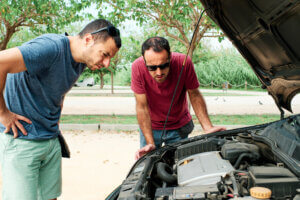
Why DIY Troubleshooting Matters
DIY troubleshooting isn’t about replacing transmissions or rebuilding engines in your driveway. It’s about knowing what’s normal, what’s not, and what to do next.
Learning a few basic diagnostic skills can help you:
-
Catch small problems before they turn costly
-
Avoid getting stranded on the road
-
Communicate more effectively with your mechanic
-
Extend the life of your car
And perhaps most importantly—it gives you peace of mind.
1. The Check Engine Light: Your First Warning Sign
One of the most common—and most misunderstood—warning signs is the Check Engine Light (CEL). It might seem vague, but it’s actually a powerful diagnostic tool.
What It Means:
The CEL turns on when the car’s computer detects a problem with emissions, engine performance, or other critical systems.
DIY Troubleshooting:
-
Use an OBD-II scanner. These tools are affordable and plug into a port under your dashboard. They’ll give you error codes like P0300 (random misfire) or P0420 (catalytic converter efficiency).
-
Look for obvious problems. Loose gas cap? That alone can trigger the CEL. Tighten it and drive a few miles to see if the light turns off.
-
Don’t ignore a flashing CEL (Check Engine Light). That usually means an engine misfire—a condition that could damage your catalytic converter. Have it looked at ASAP.
DIY troubleshooting of the CEL can save you a trip to the mechanic—or help you arrive informed.
2. Unusual Noises: Listen Up
Your car speaks through sounds. Knowing what to listen for is key to DIY car troubleshooting.
Common Noises & What They Mean:
-
Squealing when braking: Likely worn brake pads. You can inspect the pads through the wheel spokes.
-
Grinding noises: Could indicate metal-on-metal contact in your brakes—don’t delay this.
-
Clicking during turns: Often a worn CV joint. Check your axle boots for grease leakage.
-
Knocking under the hood: Could be engine detonation (pre-ignition) or low oil pressure.
DIY Troubleshooting:
-
Use a mechanic’s stethoscope or a long screwdriver to pinpoint where the noise is coming from.
-
Record the noise on your phone to play back for your technician.
The earlier you respond to these warning signs, the better chance you have of avoiding a bigger problem.
3. Leaks Under the Vehicle
If you see fluid pooling beneath your car, it’s a sign something isn’t sealed properly. The color and smell of the fluid can help you identify the issue.
Common Fluid Colors:
| Fluid Type | Color | Smell |
|---|---|---|
| Engine oil | Amber to dark | Burnt, oily |
| Transmission | Red or brown | Sweet or burnt |
| Coolant/antifreeze | Bright green or pink | Sweet |
| Brake fluid | Clear to yellow | Slightly fishy |
| Power steering | Reddish | Similar to trans fluid |
DIY Troubleshooting:
-
Slide a piece of cardboard under your car overnight to catch and identify leaks.
-
Check fluid levels using dipsticks or reservoir indicators.
-
Inspect for cracked hoses, worn gaskets, or loose clamps.
Addressing leaks quickly can prevent overheating, brake failure, or loss of transmission function.
4. Strange Smells: Your Nose Knows
Your sense of smell is one of the most overlooked diagnostic tools. Some odors are harmless, but others could signal danger.
Common Car Odors & Causes:
-
Sweet syrup smell: Leaking coolant

-
Rotten eggs: Failing catalytic converter
-
Burning oil: Oil leak on a hot engine
-
Moldy smell from vents: Mildew in HVAC system
DIY Troubleshooting:
-
Inspect hoses and radiator caps if you smell coolant.
-
Check around the exhaust system for visible damage if the sulfur smell persists.
-
Replace your cabin air filter and clean air vents to get rid of mildew odors.
Ignoring these warning signs can lead to system failures or poor air quality inside your car.
5. Steering or Suspension Changes
DIY troubleshooting of your suspension or steering starts with noticing changes in how your car drives.
Common Warning Signs:
-
Car pulls to one side: Misalignment or uneven tire pressure.
-
Bouncy or unstable ride: Worn shocks or struts.
-
Steering wheel vibration: Unbalanced wheels or warped brake rotors.
-
Hard steering: Low power steering fluid or a worn steering pump.
DIY Checks:
-
Inspect tires for uneven wear or bulges.
-
Test shock performance by pushing down on each corner of the car; if it bounces more than once, they’re likely worn.
-
Check power steering fluid levels.
Early detection of these warning signs can protect your tires, improve safety, and keep you comfortable behind the wheel.
6. DIY Troubleshooting Electrical Problems
Electrical issues can seem intimidating, but some basic troubleshooting can go a long way.
Common Symptoms:
-
Dim headlights: Charging system problem or corroded battery terminals.
-
Dead battery: Can result from parasitic drain, age, or alternator issues.
-
Blown fuses: Electrical shorts or faulty components.
-
Non-working accessories: Could be a blown fuse or bad relay.
DIY Tools & Tips:
-
Keep a multimeter handy to test battery voltage (12.6V+ when off, 13.7–14.7V when running).
-
Inspect battery terminals for corrosion—clean with baking soda and water if needed.
-
Check your fuse box for blown fuses and replace with the same amperage.
DIY troubleshooting here can keep your electrical system in check and prevent no-start situations.
7. Dashboard Lights Beyond the Check Engine
The dashboard is filled with helpful warning indicators. Know what they mean:
-
Battery light: Charging system issue
-
Oil pressure light: Low oil or failed oil pump—stop driving immediately
-
Brake warning light: Could mean low brake fluid, worn pads, or sensor issues
-
ABS light: Anti-lock brake system malfunction
-
Airbag light: Safety risk—have it diagnosed
DIY Troubleshooting:
-
Check oil levels if the oil light comes on.
-
Inspect the battery and alternator connections.
-
Check for burned-out bulbs behind dash indicators.
Ignoring these warning signs can lead to dangerous driving conditions or expensive repairs.
When to Call a Professional
While DIY car troubleshooting is a valuable skill, it’s not a substitute for professional diagnostics when:
-
Warning lights are flashing
-
There’s visible smoke or overheating
-
Brakes feel spongy or unsafe
-
You hear persistent knocking or grinding
When in doubt, bring your vehicle to a trusted auto repair shop. If you’re in Minneapolis, Hawkins Automotive offers thorough diagnostics and honest advice to get you back on the road quickly and safely. Click here to schedule an appointment today.
Final Thoughts: Stay Ahead of Trouble
DIY troubleshooting doesn’t require a garage full of tools—just attention to detail and the willingness to learn. From dashboard lights to strange smells and sounds, your vehicle is full of warning signs designed to help you catch problems early.
By learning how to identify and respond to these signals, you can save money, avoid breakdowns, and feel more confident behind the wheel. Keep this guide handy, trust your instincts, and never hesitate to reach out to the pros when DIY meets its limits.
Sources
-
NHTSA – Vehicle Warning Lights Guide
https://www.nhtsa.gov/equipment/vehicle-warning-lights -
AutoZone – Common OBD-II Trouble Codes
https://www.autozone.com/diy/obd2-codes -
YourMechanic – Symptoms of Common Car Problems
https://www.yourmechanic.com/article -
AAA – Car Care Tips & Advice
https://exchange.aaa.com/automotive/car-care/